
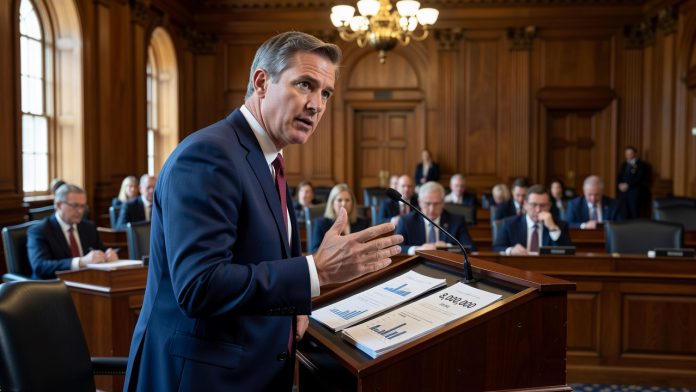
Senator Mark Peake spoke during a recent legislative session about the implementation of speed cameras in various Virginia localities. He referenced specific revenue figures such as eight million dollars collected in Suffolk over the course of one year. Peake posed questions regarding whether these cameras primarily serve public safety objectives or function as sources of additional revenue for local governments. The remarks focused on patterns observed in other populated areas as well.
The discussion included mentions of potential additional costs such as a mandatory extra two hundred fifty dollars associated with certain enforcement aspects. Peake expressed interest in having the General Assembly review these programs to ensure appropriate use. This presentation provided context on how camera systems have been adopted across the state. Observers noted the emphasis on transparency in the allocation of any funds generated.
Overview of Camera Programs in Virginia
Speed cameras have been introduced in multiple Virginia communities as a means to monitor and enforce speed limits. In Suffolk the collection of eight million dollars in one year demonstrates the financial scale involved in such initiatives. Similar systems appear in other areas with higher population densities according to the comments shared. The senator highlighted these examples to illustrate broader trends in local enforcement strategies.
Localities often cite safety improvements as the rationale for installing cameras at key locations. Revenue from fines contributes to municipal budgets in varying degrees. Peake’s address examined the balance between these factors without endorsing specific policy changes. The session allowed for examination of how these tools operate in practice.
Revenue and Policy Considerations
The eight million dollar amount from Suffolk raised points about the sustainability and intent behind camera operations. Peake noted that other populated regions have also seen notable collections from similar setups. Discussions touched on how such revenue might be utilized by local authorities. The senator suggested that legislative bodies at the state level could play a role in providing oversight.
Additional fees like the referenced two hundred fifty dollars can affect the total financial implications for individuals cited. These elements contribute to ongoing evaluations of automated enforcement effectiveness. Peake conveyed a desire for the General Assembly to address related matters through appropriate channels. The presentation remained centered on factual observations from the localities mentioned.
Broader Context for Enforcement Tools
Automated speed enforcement has become a topic of interest in state and local government circles. Peake’s comments drew attention to the experiences in Suffolk and comparable communities. Questions about safety versus revenue generation were central to the address. The session provided an opportunity to consider the implications for Virginia residents.
Policy makers continue to assess the deployment of such technology across different jurisdictions. Revenue figures help inform debates on resource allocation and program design. Peake’s remarks added to the record of discussions on these issues. The focus stayed on documented outcomes from the referenced areas.